Good vs Bad Installation – Why Quality Matters
In containment and lining systems, performance is determined at the point of installation. The difference between a system that performs for years and one that fails early often comes down to how the smallest details are handled on site.
What Good Looks Like
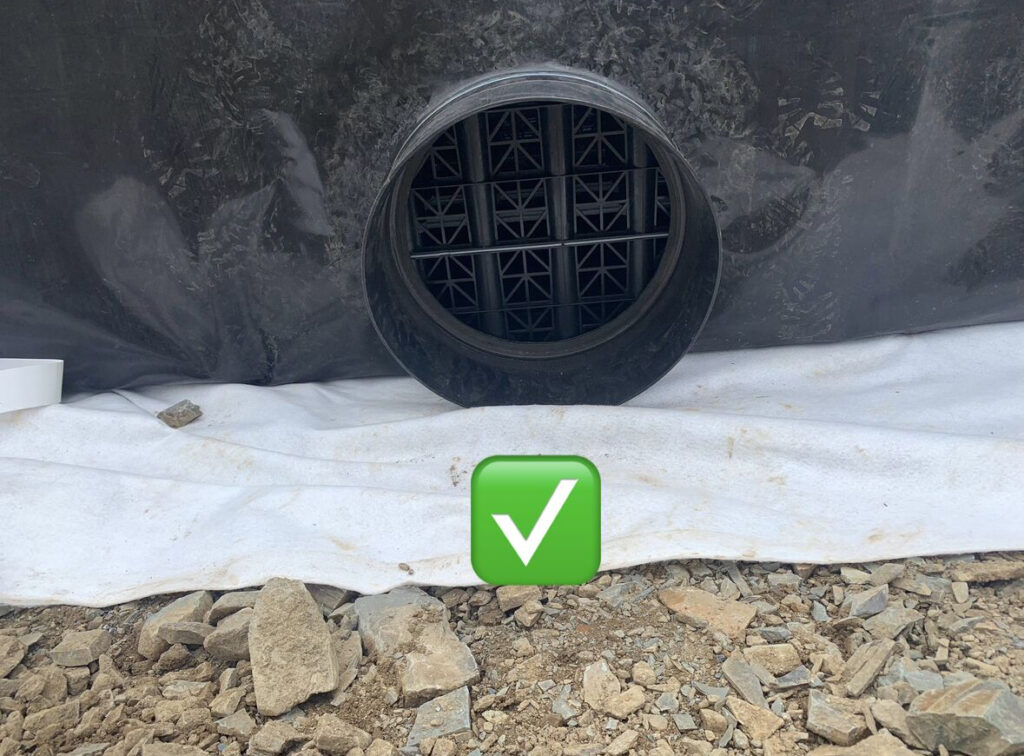
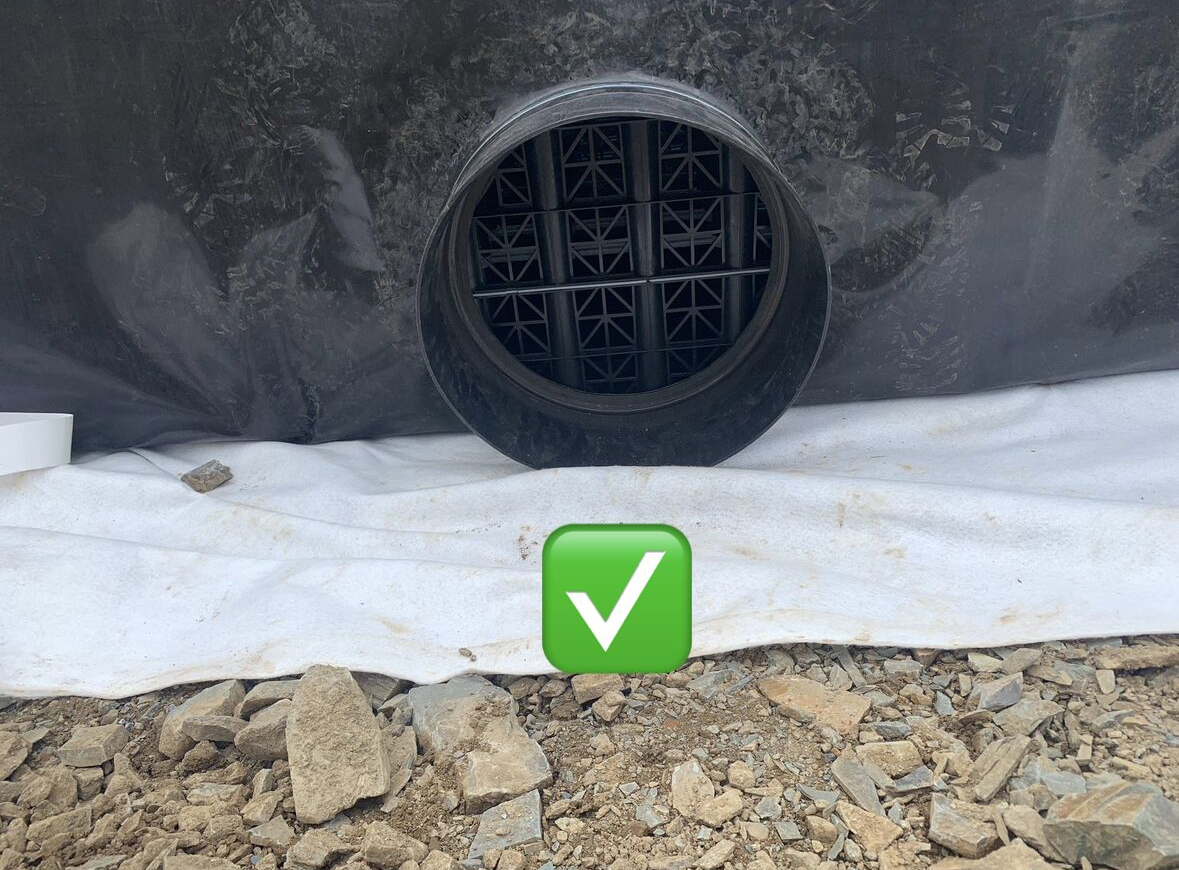
A correctly installed pipe penetration is precise, sealed, and protected.
The pipe boot is fitted properly, bonded to the liner, and finished in a way that maintains full system integrity. Every element works together to ensure the liner remains completely watertight and performs exactly as designed.
This is controlled, deliberate installation. No gaps. No guesswork. No weak points.
What Goes Wrong
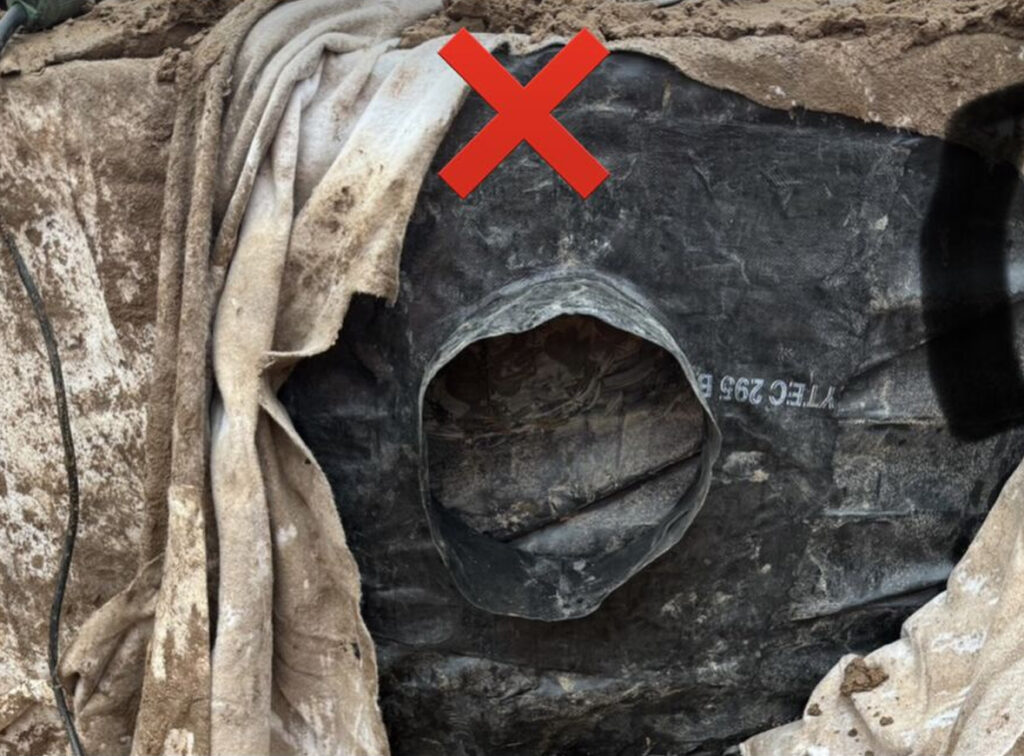
Poor installation is usually obvious.
The liner is cut roughly. Seals are inconsistent or missing. The interface around the pipe is left exposed or inadequately protected. These shortcuts immediately compromise the system.
What follows is predictable:
- Increased risk of leaks
- Loss of containment integrity
- Accelerated wear and failure
- Costly repairs and operational disruption
One weak detail undermines the entire system.
The Real Cost of Cutting Corners
Containment systems are not forgiving. A minor saving during installation creates disproportionate risk later.
Failures do not stay localised. They escalate:
- Downtime impacts operations
- Remedial work increases costs
- Environmental exposure introduces liability
The cheapest option at install stage typically becomes the most expensive over the lifecycle of the asset.
Quality Is a Decision
Material selection matters. Installer competence matters more.
Experienced installers understand interfaces, stress points, and sealing requirements. They install with intent, not speed. That difference defines whether a system performs or fails.
Conclusion
Installation is the system.
If it is done right, the liner performs.
If it is done poorly, failure is built in from day one.
Do it once. Do it right.